
RedSpin KYC Verification: What Can Affect Withdrawals
 Available in AU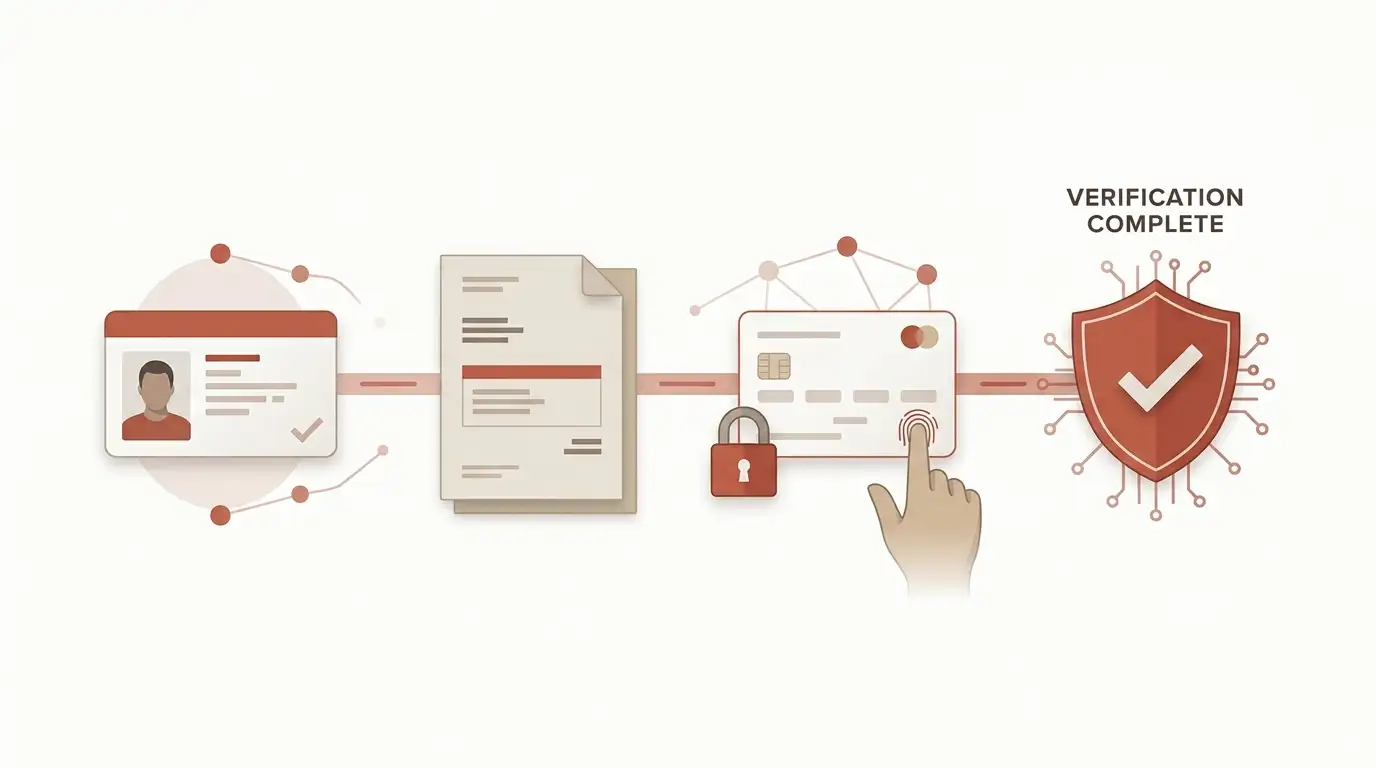
RedSpin may request identity verification before or during a withdrawal or account review. The practical purpose is to confirm that the account belongs to the person using it and that the details connected to payments are consistent. What should not be treated as fixed is a universal RedSpin document checklist or guaranteed processing time: the exact request can depend on the account and should be followed as it appears in the current account interface or through the operator’s current support channel. For an Australian player, the useful approach is to keep registration details accurate, use payment methods in the correct name where required, and prepare clear, current documents only when they are specifically requested.
Table of Contents
- Where KYC fits into the RedSpin account journey
- What RedSpin verification can reasonably ask you to prove
- Document quality matters more than guessing the checklist
- Why verification can affect a withdrawal
- Payment ownership is part of verification readiness
- What to do if a verification request is unclear
- Resolve the reason for a rejected file before uploading again
- Privacy matters when the account asks for sensitive evidence
- A practical RedSpin KYC checklist before cashing out
- How regulation changes the risk around an offshore verification process
- How RedSpin verification can affect your first cashout
Where KYC fits into the RedSpin account journey
Verification is separate from simply creating an account. The RedSpin Australia review covers the wider casino context, while identity checks can appear later in the account lifecycle. A person may be able to register, sign in and use parts of an account before every verification step has been completed.
That distinction matters most when money is moving out of the account. Identity and payment checks can become more visible around a cashout because the operator may need to confirm who controls the account and whether the withdrawal destination is consistent with the account record.
It is therefore better to treat KYC as part of account readiness rather than as an unexpected obstacle. Accurate details at signup, consistent payment ownership and readable supporting documents can reduce avoidable friction if a check is triggered.
What RedSpin verification can reasonably ask you to prove
The core categories are straightforward even when the exact document request varies: identity, age, address and ownership of the payment method may all be relevant to an account review. That does not mean RedSpin always asks every player for the same combination of documents, or that one secondary-site checklist should be treated as permanent.
The safest rule is to respond to the request actually shown to your account. If the account asks for proof of identity, provide an appropriate current document of the type specified. If it asks for address or payment ownership, use material that matches the name and details already attached to the account.
The related RedSpin registration guide explains why accurate information at signup matters. A nickname, old address, mistyped date or mismatched payment name can create a verification problem later even if it seemed harmless when the account was opened.
Document quality matters more than guessing the checklist
Before uploading anything, check the request carefully. The document should be current where the request requires current evidence, clearly readable and complete enough to show the information being asked for. Cropped corners, glare, blurred text or an image that hides important fields can lead to another request.
Consistency is equally important. Names, dates and addresses should match the account record unless there is a legitimate reason they differ. If something has changed, explain the change through the available support channel rather than trying to force a document to match old account data.
Do not send extra sensitive information merely because it might be useful. Provide what the current request asks for and redact only where the operator permits it. Sending unnecessary documents creates more exposure without necessarily making the review faster.
Why verification can affect a withdrawal
A cashout is often the point at which account identity and payment ownership become most important. RedSpin’s withdrawal process can involve verification controls, but exact limits, fees and processing times are not stable enough to treat as fixed values without current official terms. The practical point is that a withdrawal can pause while identity or account details are being checked.
The separate guide to RedSpin cashouts covers withdrawal preparation in more detail. Before requesting a payout, make sure the account name is accurate, the destination method is available to you and any outstanding verification request has been dealt with.
Do not use an individual reviewer’s timeline as a benchmark for your own case. Verification can differ by account, document quality, payment route and the information already held by the operator.
Payment ownership is part of verification readiness
Using a payment method that belongs to someone else can create an avoidable ownership question. Where a payment route requires personal ownership, keep the account holder details aligned with the casino account and retain useful transaction records.
The RedSpin banking page covers the payment methods associated with the brand for Australian users. The important KYC connection is not the logo on the payment method but the relationship between the account holder, the funding source and the requested withdrawal destination.
If you change payment methods, close an account or lose access to a funding source, keep enough records to explain the history if the operator asks. A clear transaction trail is easier to reconcile than a series of unexplained changes.
What to do if a verification request is unclear
Read the wording in the account first and use the operator’s current support channel for clarification. Ask which category of evidence is needed, what part of the document must be visible and whether an alternative document is acceptable. Avoid sending repeated uploads of the same rejected file without understanding why it failed.
Keep copies of relevant messages and note when documents were submitted. This is useful for your own records if the request changes or if you need to explain the sequence later.
Trustpilot currently displays a guideline-breach warning on the RedSpin profile and says fake reviews were removed. That makes anecdotal verification stories a poor substitute for the instructions attached to your own account. The warning is a reputation signal, not evidence that every positive or negative user claim is accurate.
Resolve the reason for a rejected file before uploading again
If a verification file is rejected, repeating the same upload without understanding the problem can create a longer trail without solving anything. Read the account message first and identify whether the issue is readability, missing information, an account mismatch or the type of evidence requested. If the reason is not clear, ask the current support channel what needs to change before sending another file.
Keep the correction limited to the request. A clearer image may solve a readability problem; an updated record may be needed if the account contains old information; a different category of evidence may be required if the first file did not prove what was asked. Those are different problems, so treating every rejection as a request for more documents can expose unnecessary personal information.
Maintain a simple record of what was requested, what you submitted and any response received. That history is useful if the account asks for a follow-up or if a withdrawal remains on hold while verification is incomplete. It also helps you avoid sending conflicting versions of the same information across separate support conversations.
Privacy matters when the account asks for sensitive evidence
Identity material can contain more information than the casino needs for a particular check. Follow the current request and the operator’s instructions about what must be visible, and do not volunteer unrelated records in the hope that extra documents will speed up the review. Where redaction is permitted, apply it only in the way the request allows so that required information is not hidden.
Use the account’s intended upload route or current support channel rather than sending documents to an address copied from an unrelated site. If the request arrives through a message, confirm that the destination matches the account process before attaching sensitive files. This keeps the verification task tied to the account you are actually using.
A practical RedSpin KYC checklist before cashing out
| Check | Useful action | Avoid |
|---|---|---|
| Account details | Confirm your name, date and contact details are accurate | Trying to correct mismatches only after a withdrawal is held |
| Payment ownership | Use payment details that belong to you where required | Unexplained third-party funding or cashout details |
| Requested evidence | Follow the current account request exactly | Copying a document list from an old review |
| Image quality | Submit clear, complete and readable files | Blurred, cropped or glare-covered images |
| Records | Keep submission and support messages | Relying on memory if the review becomes prolonged |
How regulation changes the risk around an offshore verification process
The page on trust and regulatory context covers the separate licensing and consumer-protection discussion. This page stays focused on the mechanics and purpose of verification.
How RedSpin verification can affect your first cashout
The first withdrawal is often where account accuracy, payment ownership and identity evidence meet. The simplest preparation is to keep your registration details correct from day one, use payment methods consistently and respond only to the verification request actually shown to you.
Do not plan around a promised document list or fixed approval time. Plan around controllable factors instead: accurate account data, readable evidence, clear ownership of the payment route and a record of any support correspondence. Those steps cannot guarantee a fast cashout, but they can remove several common causes of avoidable delay.
Published by the Redspin Casino team.